UNESCO World Heritage Site
Hierapolis Ancient City
A comprehensive guide to Pamukkale's hidden gem - discover the rich history, magnificent Roman ruins, and therapeutic thermal springs of this ancient holy city.
What is Hierapolis Ancient City?
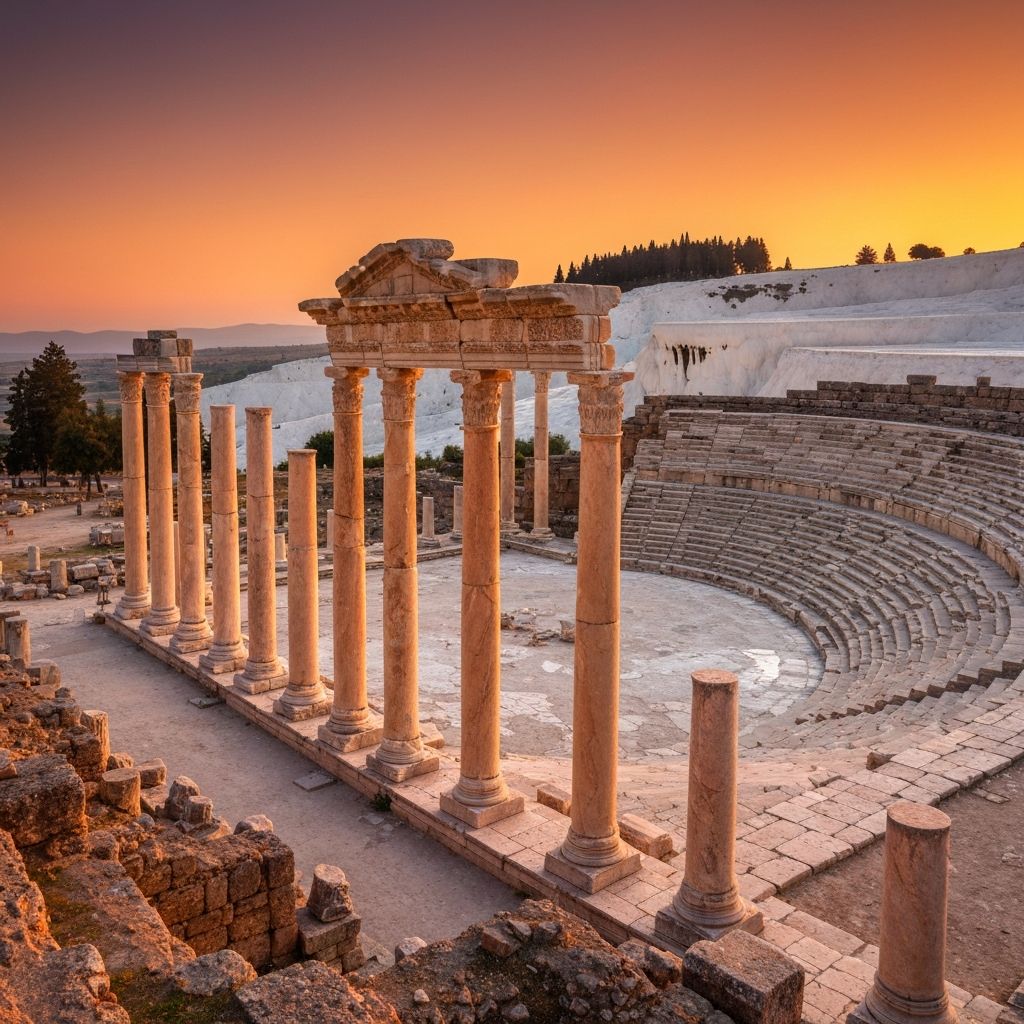
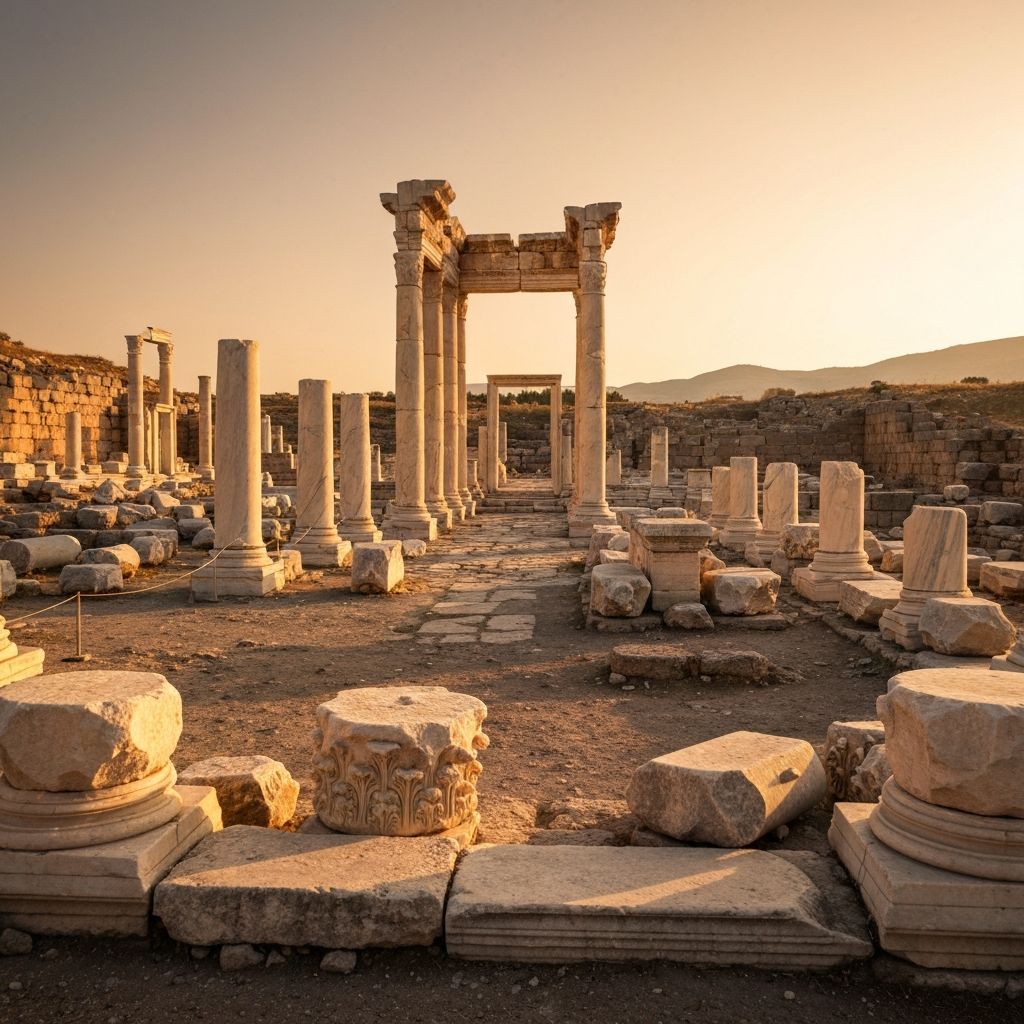
Hierapolis, meaning "Holy City" in Greek, stands as one of the most remarkable ancient cities in Turkey. Founded in the 3rd century BCE during the Hellenistic period, this sacred site flourished under Roman rule and became famous throughout the ancient world for its thermal springs and their legendary healing powers.
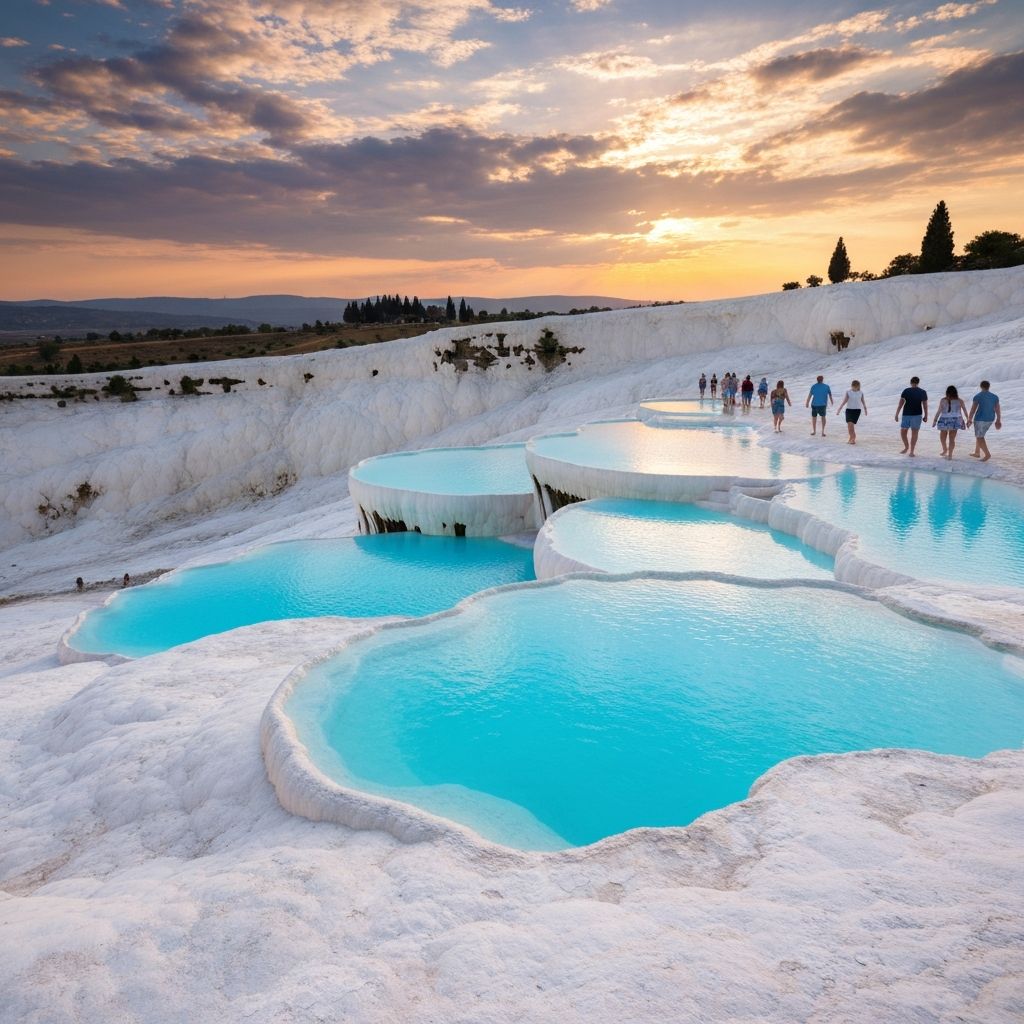
Located atop the stunning white travertine terraces of Pamukkale in Denizli Province, Hierapolis seamlessly blends natural wonder with human achievement. The city was built directly over these calcium-rich hot springs, which ancient peoples believed possessed divine healing properties.
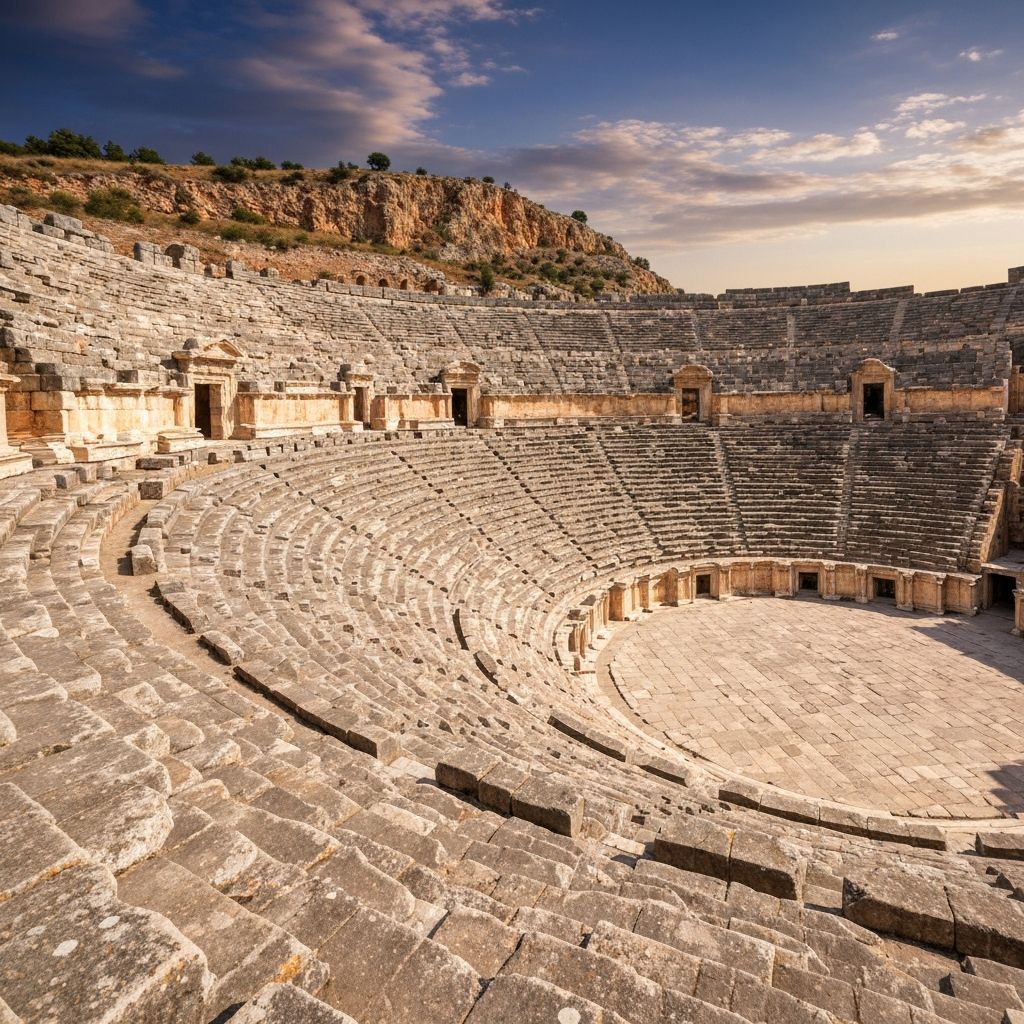
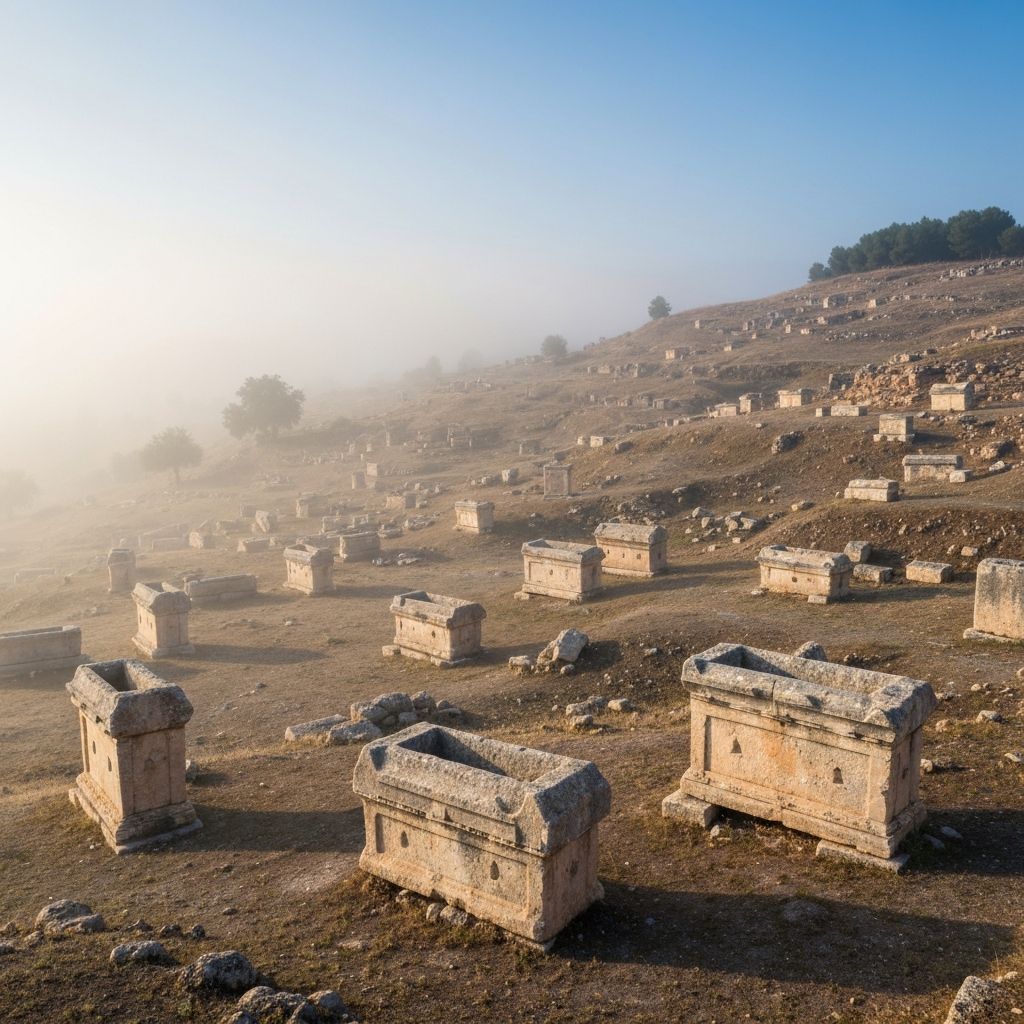
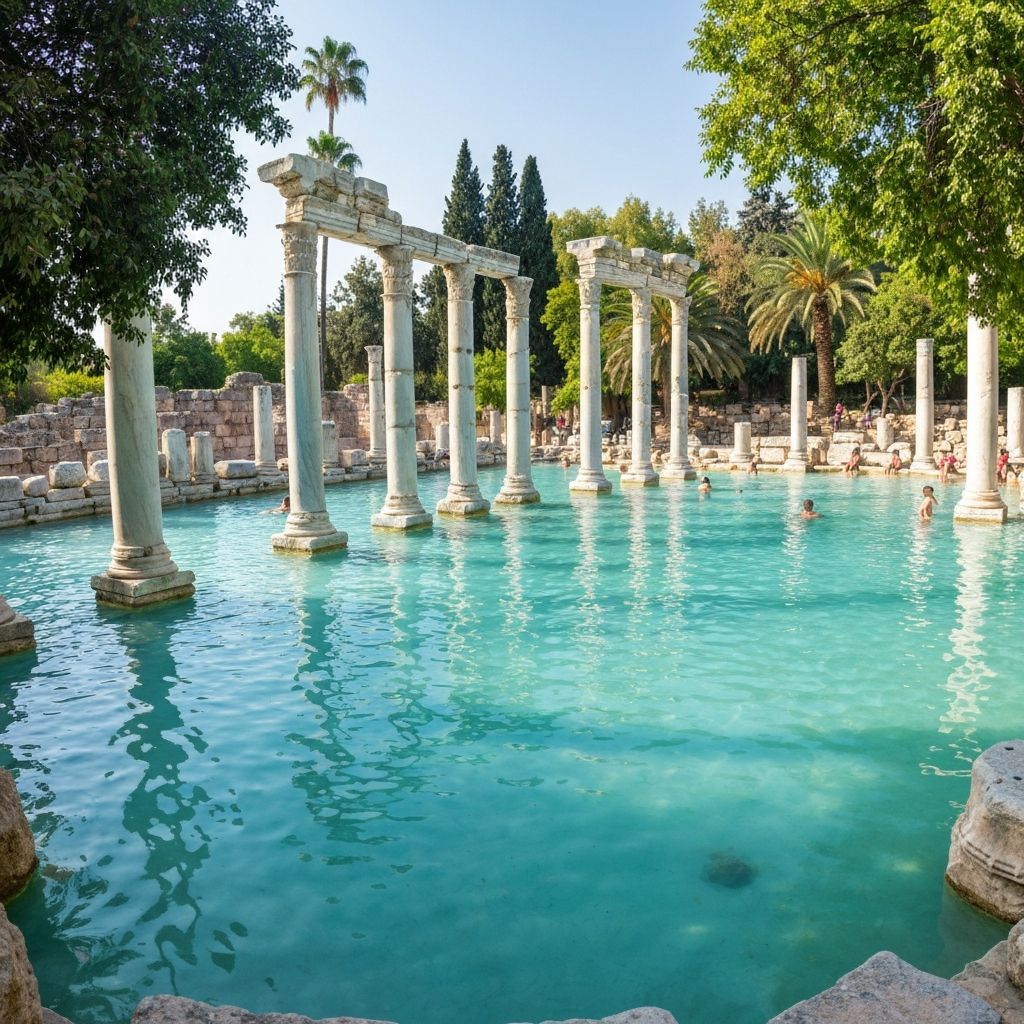
Today, as a UNESCO World Heritage Site since 1988, Hierapolis welcomes millions of visitors who come to explore its remarkably preserved Roman theater, extensive necropolis, ancient temples, and the famous thermal baths where you can still swim among submerged Roman columns.
Key Attractions You Must See
From the magnificent Roman theater to the sacred thermal pools, discover the wonders that made Hierapolis legendary.
A Glimpse into Rich History
From Hellenistic Foundations to Roman Splendor: Founded around 190 BCE by Eumenes II, King of Pergamon, Hierapolis quickly grew from a modest settlement into one of the most important cities in the ancient world. The city reached its zenith during the Roman Imperial period when it became a celebrated spa destination.
Earthquakes and Rebirths: Throughout its history, Hierapolis experienced devastating earthquakes, most notably in 17 CE and 60 CE. Each time, the resilient city was rebuilt, often more magnificently than before, showcasing the determination of its inhabitants.
The Thermal Wonders:Ancient physicians prescribed the mineral-rich waters of Hierapolis for numerous ailments. The city's hot springs, emerging at temperatures up to 36°C (97°F), drew visitors from across the Roman Empire seeking healing and rejuvenation.
Planning Your Visit
Everything you need to know to make the most of your Hierapolis adventure.
History & Timeline
Discover the fascinating journey from Hellenistic foundations to Roman splendor
Tickets & Tours
Plan your visit with current prices, booking options, and tour packages
Pamukkale Guide
Complete travel guide covering the travertines and surrounding area
Compare with Ephesus
Which ancient city should you visit? A detailed comparison guide
Practical Information
Essential details to help you plan a seamless visit to Hierapolis Ancient City and Pamukkale.
Get TicketsCombined Hierapolis & Pamukkale ticket provides access to all archaeological areas and travertine terraces.
Cleopatra's Pool requires a separate admission fee.
Summer (Apr-Oct): 06:30 - 21:00
Winter (Nov-Mar): 06:30 - 17:00
Last entry 30 minutes before closing.
Located 20 km from Denizli city center.
Accessible via minibus from Denizli bus station or organized tours from major Turkish cities.
Wear comfortable walking shoes for the extensive site.
Bring swimwear for Cleopatra's Pool and the travertines.
Frequently Asked Questions
Common questions about visiting Hierapolis Ancient City.
Ready to Explore Hierapolis?
Plan your journey to this magnificent UNESCO World Heritage site and discover the wonders of ancient Turkey.